
Understanding Malaysia’s Housing Market
Explore residential property indices, affordability initiatives, and mortgage trends shaping Malaysia’s urban landscape

Housing Affordability in Malaysia
Understanding price movements and accessibility across major urban centers
Why This Matters
Housing affordability directly impacts millions of Malaysian families. Price indices tell the real story of how residential property values’ve evolved across Kuala Lumpur, Selangor, Penang, and other major markets. We’re tracking these changes so you can understand the trends affecting your community.
Rising property costs don’t just affect individual families — they reshape entire urban regions. When homes become less accessible, urbanisation patterns shift, economic mobility changes, and long-term planning becomes essential. That’s why we focus on concrete data, not speculation.

Affordable Housing Policy Landscape
Key programs designed to improve housing accessibility
Rumah Mampu Milik (RMM)
Price-controlled housing
Government-regulated homes sold below market rates. These units target middle and lower-income groups, with strict price ceilings and ownership requirements designed to keep housing within reach of everyday Malaysians.
Learn MoreHome Ownership Campaign (HOC)
Incentive programs
Periodic campaigns offering stamp duty exemptions, reduced registration fees, and other incentives. These initiatives aim to boost ownership rates by reducing upfront transaction costs for first-time buyers.
Learn MoreMy First Home (MFH) Scheme
First-time buyer support
Financing assistance for first-time homebuyers. The program’s designed to lower barriers to entry by improving access to mortgage financing and reducing down payment requirements for qualified applicants.
Learn MorePublic Housing (PR1MA)
Middle-income focus
Purpose-built homes for middle-income Malaysians earning between specific thresholds. These properties combine affordability with modern amenities, addressing a key gap in the housing market for this income segment.
Learn MoreMortgage Market Trends
Interest rates, financing structures, and market accessibility
What’s Happening Now
The mortgage market’s experiencing real shifts. Interest rates, lending criteria, and available financing options directly impact whether families can actually afford homes they’re interested in. We track these movements because they matter for your decision-making.
Banks’ve tightened approval standards in recent years. Debt-to-income ratios, credit requirements, and employment verification are stricter than they used to be. For many aspiring homeowners, understanding these requirements is the first step toward successful financing.
Key Factors Affecting Access
Base Lending Rates (BLR)
The foundation for most mortgage pricing. Changes here ripple through the entire market, affecting monthly payments for thousands of borrowers.
Loan-to-Value Ratios
Banks determine what percentage of a property’s value they’ll finance. Lower LTVs mean larger down payments needed, affecting first-time buyer accessibility.
Debt Service Ratios
Lenders cap your monthly debt payments as a percentage of income. This determines your maximum borrowing capacity regardless of property price.
Featured Research & Analysis
Deep dives into Malaysia’s housing market dynamics
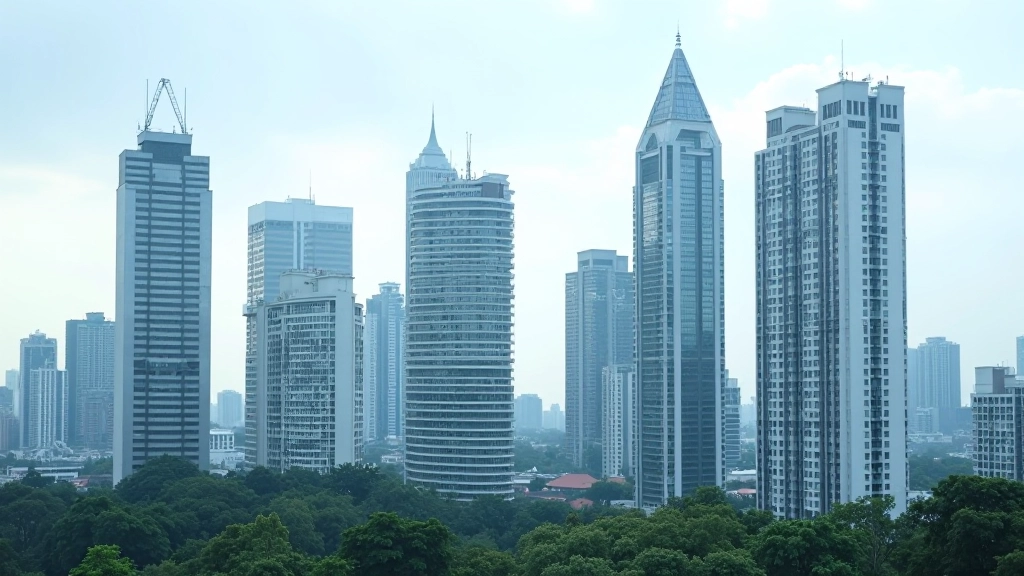
Property Price Trends Across Malaysian Cities
How residential property indices have evolved in Kuala Lumpur, Selangor, Penang, and other major markets over the last five years
Read Analysis
Government Affordable Housing Programs Explained
Overview of Rumah Mampu Milik, Home Ownership Campaign, and other initiatives designed to help lower-income families purchase property
Read Analysis
Mortgage Market Dynamics and Financing Options
Interest rate movements, loan structures, bank financing requirements, and how mortgage availability impacts property affordability across different income groups
Read AnalysisUrbanisation & Economic Effects
How housing markets shape cities and economic patterns
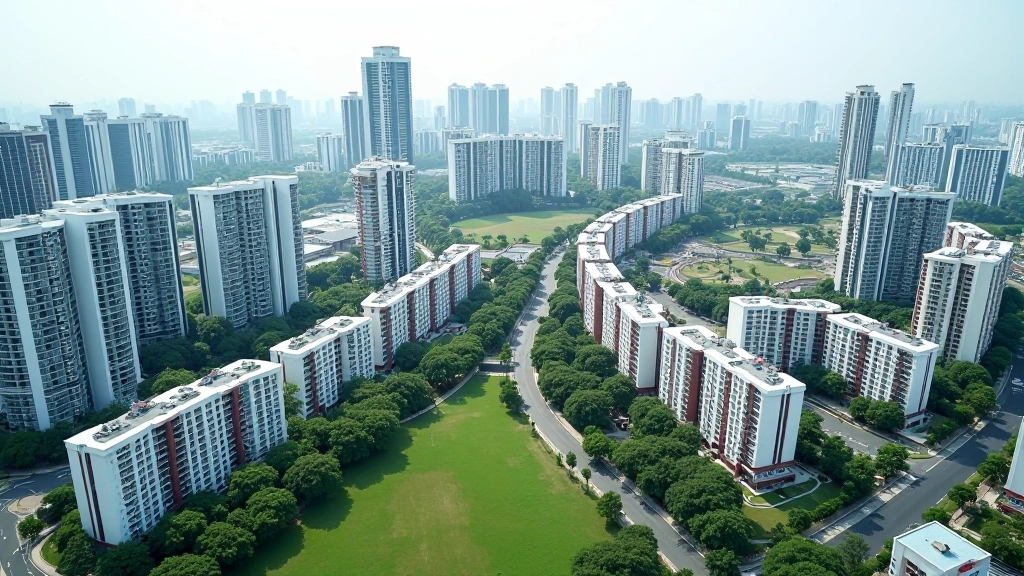
The Connection Between Housing & Urban Growth
Housing affordability isn’t just about individual families — it shapes how entire cities develop. When property prices rise faster than incomes, workers move further out, commute times lengthen, and economic patterns shift. We’re documenting these effects across Malaysia’s major urban centers.
Urbanisation and housing costs interact in complex ways. High housing expenses push lower-income workers to peripheral areas, creating longer commutes and straining infrastructure. Meanwhile, professionals concentrate in expensive central locations, intensifying economic inequality. Understanding these patterns helps policymakers and individuals plan effectively.
Frequently Asked Questions
Common questions about Malaysia’s housing market
What determines residential property prices in Malaysia?
Property prices reflect multiple factors: location, property condition, market demand, interest rates, economic growth, and government policies. We track these indicators to help you understand price movements in specific areas and market segments.
How do I qualify for affordable housing programs?
Different programs have different eligibility criteria based on income levels, first-time buyer status, and employment. Each initiative — from Rumah Mampu Milik to My First Home — sets specific requirements. We’ve detailed each program’s qualifications in our analysis sections.
What’s the relationship between interest rates and affordability?
Higher interest rates increase monthly mortgage payments significantly. Even small rate increases can reduce the maximum home price a borrower can afford. We track rate movements and their affordability impact across different loan amounts and terms.
How does urbanisation affect housing markets?
Urbanisation concentrates demand in city centers, driving prices upward. This creates affordability challenges in urban cores and forces expansion into surrounding areas. We examine how these dynamics play out across Malaysia’s metropolitan regions.
Where can I find reliable property price data?
We reference official sources including the Real Estate and Housing Developers’ Association, Bank Negara Malaysia reports, and government housing ministry publications. Our analysis synthesizes these sources into accessible insights and trends.
How often do market conditions change?
Housing markets move relatively slowly compared to stocks or currencies. Property indices shift seasonally and in response to policy changes or economic shifts. We track these movements and update our analysis regularly to keep information current.
Need Specific Housing Market Insights?
Whether you’re researching affordability trends, exploring government programs, or analyzing mortgage market dynamics, we’re here to help. Connect with us for detailed guidance on Malaysia’s housing economics.
Contact Us Today